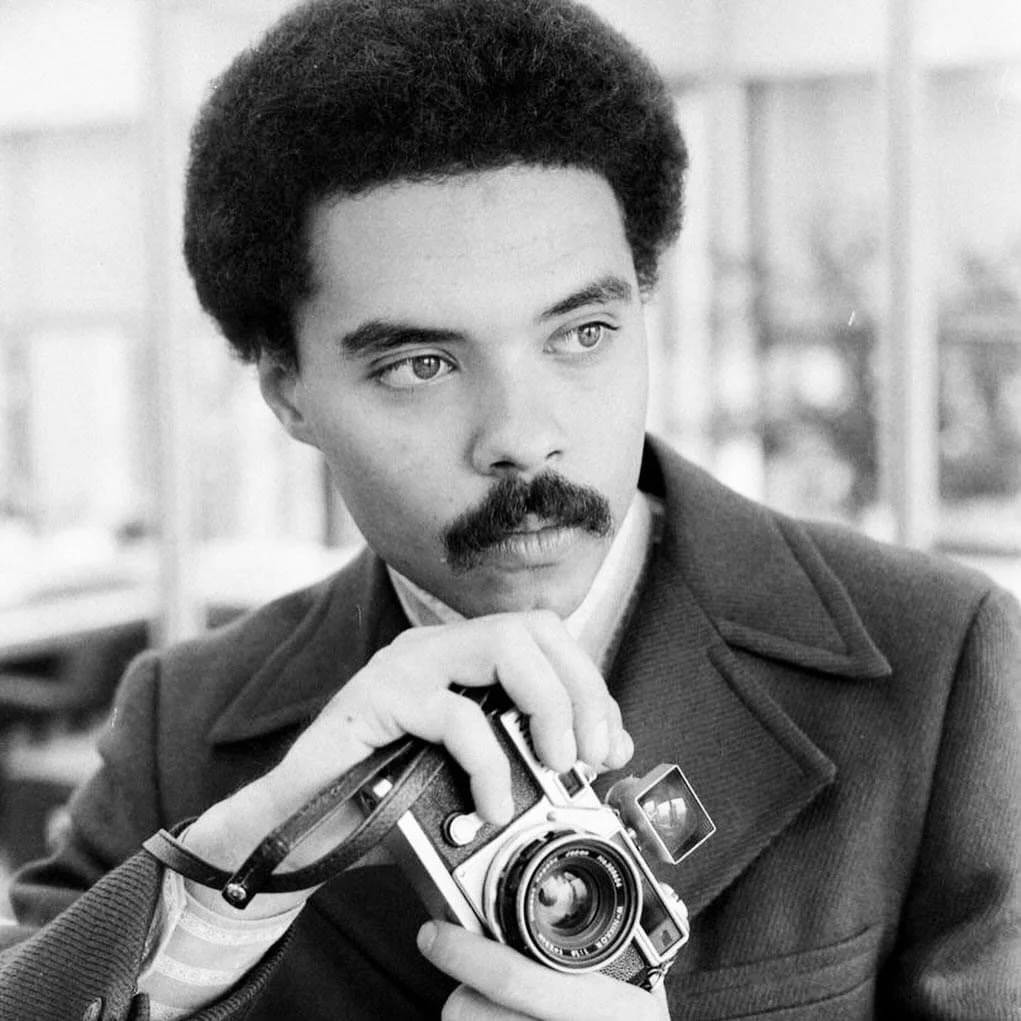
John Shearer (1947–2019) was a trailblazing African American photojournalist, filmmaker, author, and educator. He spent his decades-long career capturing the raw complexities of American history, race relations, and cultural shifts. He is celebrated for his unique ability to embed himself deeply within communities, offering mainstream media audiences an authentic, empathetic look into marginalized lives.
Early Life and Prodigious Start
Born in New York City, Shearer grew up in a creative environment that nurtured his visual talents. His father, Ted Shearer, was a prominent art director and the creator of Quincy, one of the earliest mainstream comic strips featuring an African American protagonist.
John picked up a camera at a young age and immediately showed a natural eye for storytelling. By the time he was 17, his exceptional talent caught the attention of editors at Look magazine. He was hired as a staff photographer, making him one of the youngest photojournalists ever employed by a major national publication. While working, he also pursued higher education, studying at the School of Visual Arts and Queens College.
Breaking Barriers at LIFE Magazine
In 1970, Shearer achieved a historic milestone by joining the staff of LIFE magazine. He was only the second African American staff photographer in the publication's history, following the legendary Gordon Parks. At LIFE, Shearer solidified his reputation for creating immersive, narrative-driven "picture stories."
Rather than acting as a detached observer, Shearer spent days or weeks earning the trust of his subjects. This approach allowed him to document monumental events with unmatched intimacy.
Iconic Assignments and Civil Rights
Shearer’s portfolio from the 1970s reads like a chronicle of a changing America. Some of his most vital assignments included:
The Attica Prison Riot (1971): Shearer was the only photographer allowed inside the prison during the historic and bloody uprising, capturing haunting, frontline images. [1]
The "Fight of the Century" (1971): He secured exclusive, behind-the-scenes access to Muhammad Ali and Joe Frazier, documenting the intense psychological weight of the bout. [1]
Social Justice: He extensively covered the civil rights movement, inner-city poverty, Ku Klux Klan rallies, and the Black Panther Party, always striving to show the basic humanity behind the headlines.
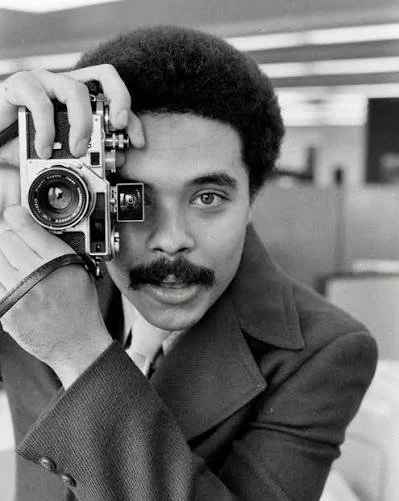
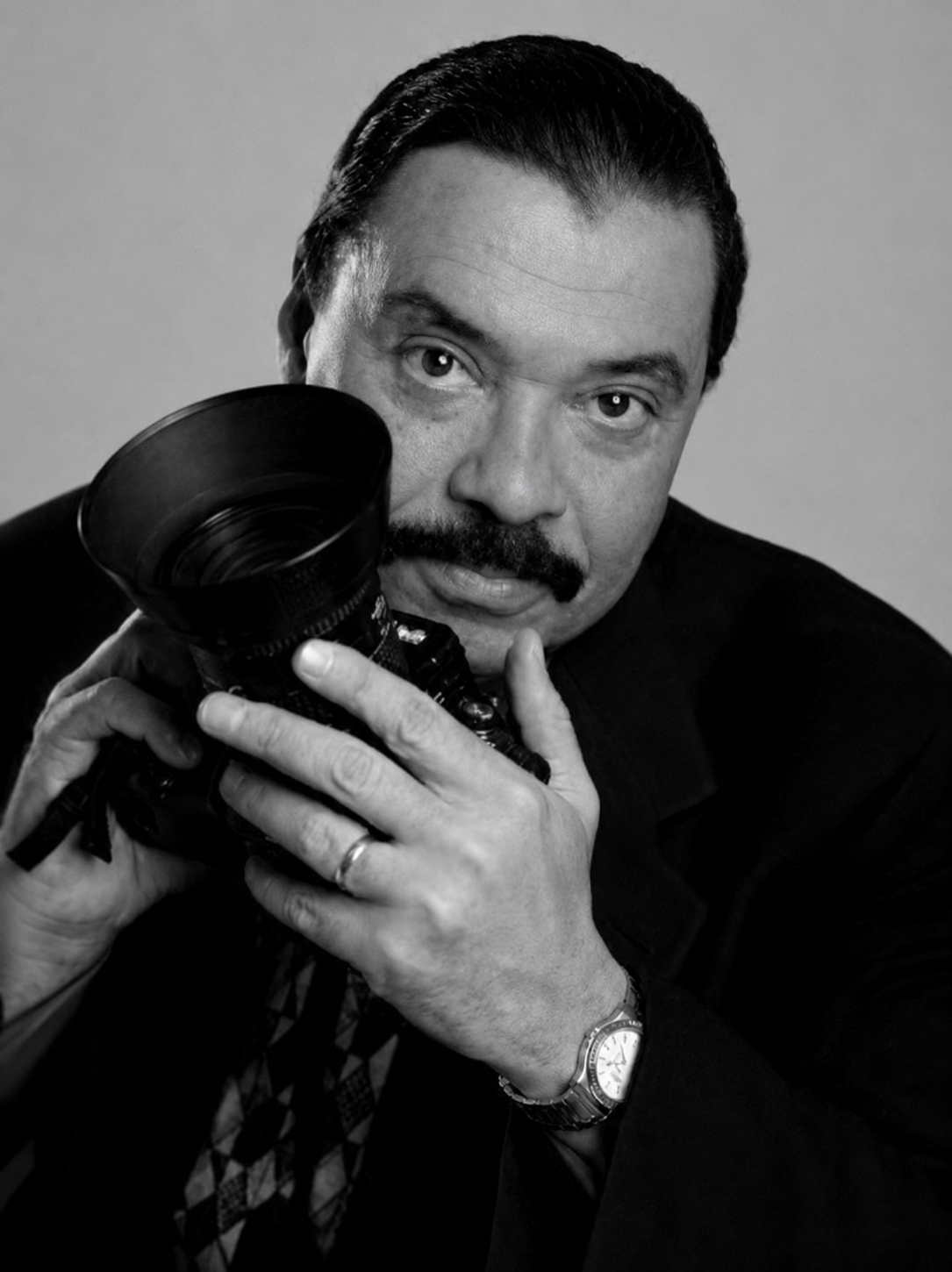
Later Career and Legacy
When LIFE suspended regular publication, Shearer transitioned into commercial photography, filmmaking, and academia. He directed documentaries and commercials, and later taught photojournalism at Columbia University. An accomplished writer, he authored several books, including a series of children's books titled Little Man.
Shearer’s photographs have been exhibited at world-renowned institutions, including the Metropolitan Museum of Art, the Museum of Modern Art (MoMA), and the Whitney Museum. He passed away in 2019, leaving behind a legacy as a visionary storyteller who dismantled racial barriers in mainstream journalism and expanded the boundaries of American documentary photography.